

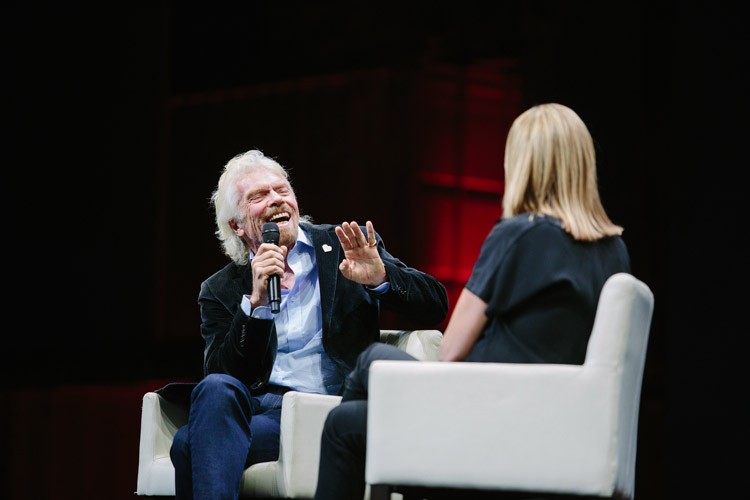
Few entrepreneurs have shaped modern business culture as boldly as Sir Richard Branson, the founder of the Virgin Group and one of the most influential visionaries of the last century. Known for his charisma, his appetite for risk, and his unconventional approach to leadership, Branson has built a global empire that today spans more than 40 companies in sectors ranging from aviation to telecommunications, finance, health, entertainment, and even space travel.
A Business Empire Built on Boldness
Branson’s journey began in the late 1960s, when he launched a small music magazine called Student. From that first step, his ambition grew rapidly. In 1970 he founded Virgin Records, a label that would soon sign artists who were considered too controversial or experimental for traditional companies. The success of Virgin Records allowed him to expand into sectors where, according to the business logic of the time, he “shouldn’t have entered” — airlines, trains, banking, gyms and, later, space.
Branson’s philosophy was simple: if an industry is boring, overpriced, or inefficient, disrupt it. This mentality turned Virgin Atlantic into one of the most popular airlines in the world and helped Branson become a symbol of accessible luxury and consumer-friendly innovation.
Leadership Without Fear
Unlike many business leaders, Branson built his reputation not through rigid discipline but through personality and empathy. He often says that the key to success lies in treating employees well, listening to their ideas, and creating a company culture where creativity is not only encouraged — it is expected.
He is also known for his daring publicity stunts: crossing the Atlantic in a speedboat, attempting world ballooning records, and even dressing up in wedding gowns for product launches. These acts were not just eccentric behavior — they were part of a branding strategy that made Virgin synonymous with fun, rebellion, and breaking the rules.
A Future Beyond Earth
One of Branson’s most ambitious projects is Virgin Galactic, a company dedicated to commercial space travel. While the road was long, expensive, and full of setbacks, Branson achieved a personal milestone in 2021 when he flew to the edge of space aboard his company’s spacecraft.
The mission marked not only a leap for Virgin Galactic but also a symbolic moment for Branson: a dream pursued for decades, finally realized.
Philanthropy and Global Impact
Aside from business, Branson is deeply involved in global humanitarian efforts. He founded Virgin Unite, a nonprofit organization focused on climate action, entrepreneurship programs, global health, and human rights. He has also joined international groups such as The Elders, founded by Nelson Mandela, working on peace, sustainability, and social justice.
His approach to philanthropy mirrors his business approach — bold, unconventional, and centered around long-term impact.
A Legacy of Reinvention
Today, Richard Branson is not just a billionaire; he is a cultural icon. His story represents the possibility of turning ideas — even wild ones — into reality through courage, resilience, and constant reinvention. His influence continues to inspire new generations of innovators who see entrepreneurship not simply as a business path but as an adventure.
Branson’s legacy is clear: success belongs to those who dare. And few have dared as much as he has.
